

Kids Workshops
Ages: Elementary school children
Fridays
17:30-19:00
Slow Animation: 07 November – 12 December 2025
Doll Making: 09 January – 06 February 2026
Visual Arts with Nefeli: 13 February – 27 March 2026
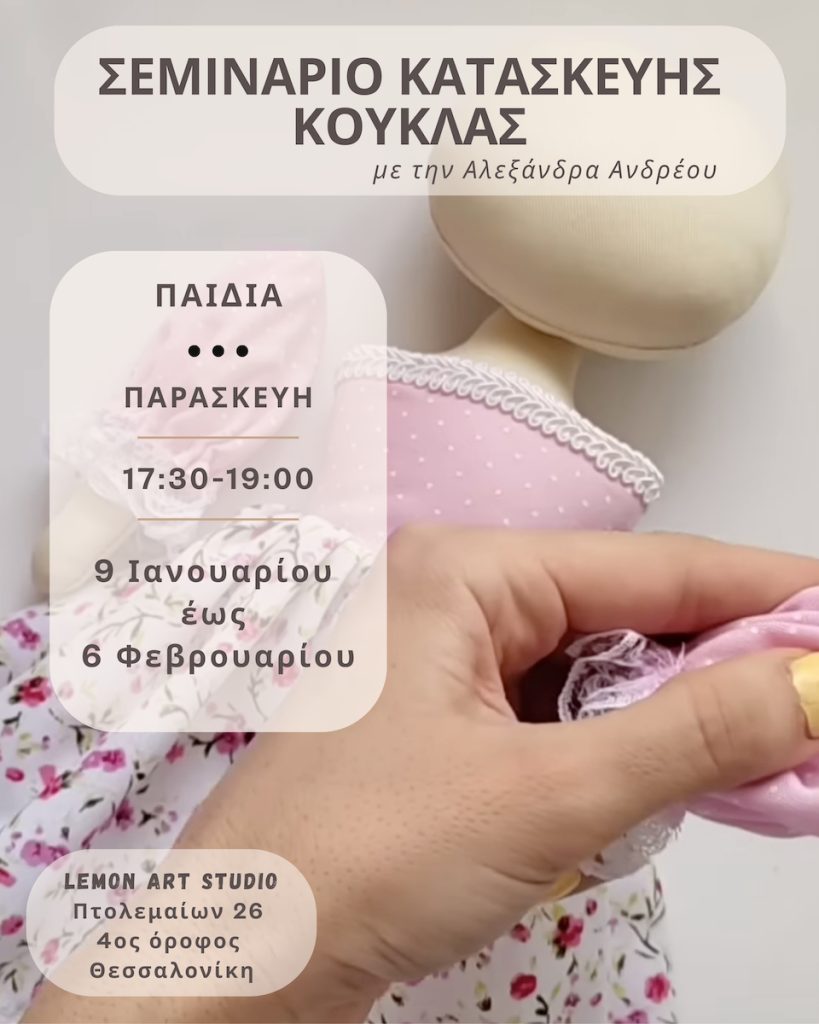
Doll Making
Fridays
17:30-19:00
Duration: January 9 – February 6
Ages: Elementary school children
Taught by Alexandra Andreou
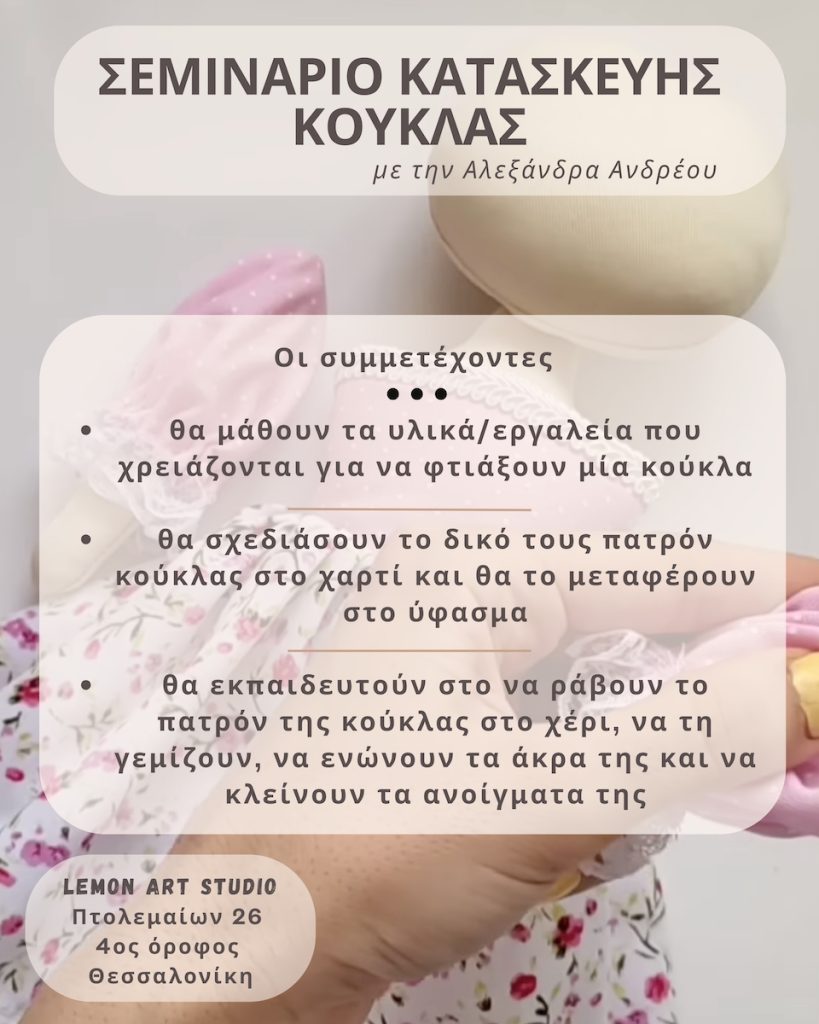
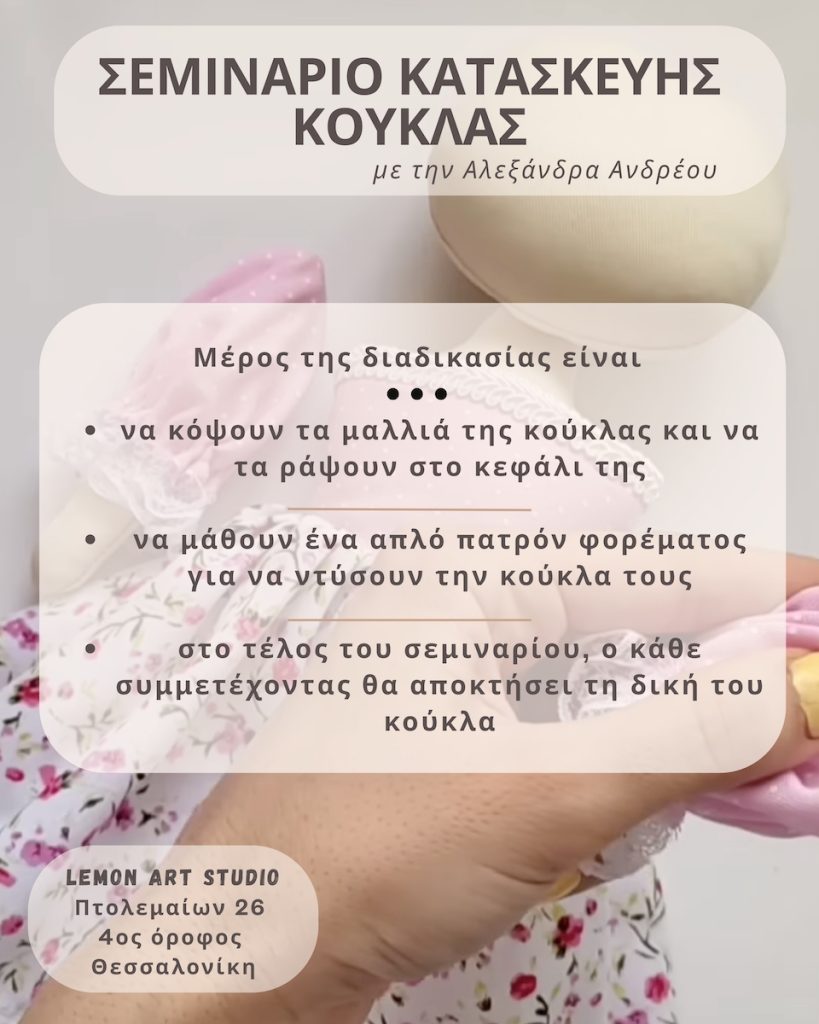
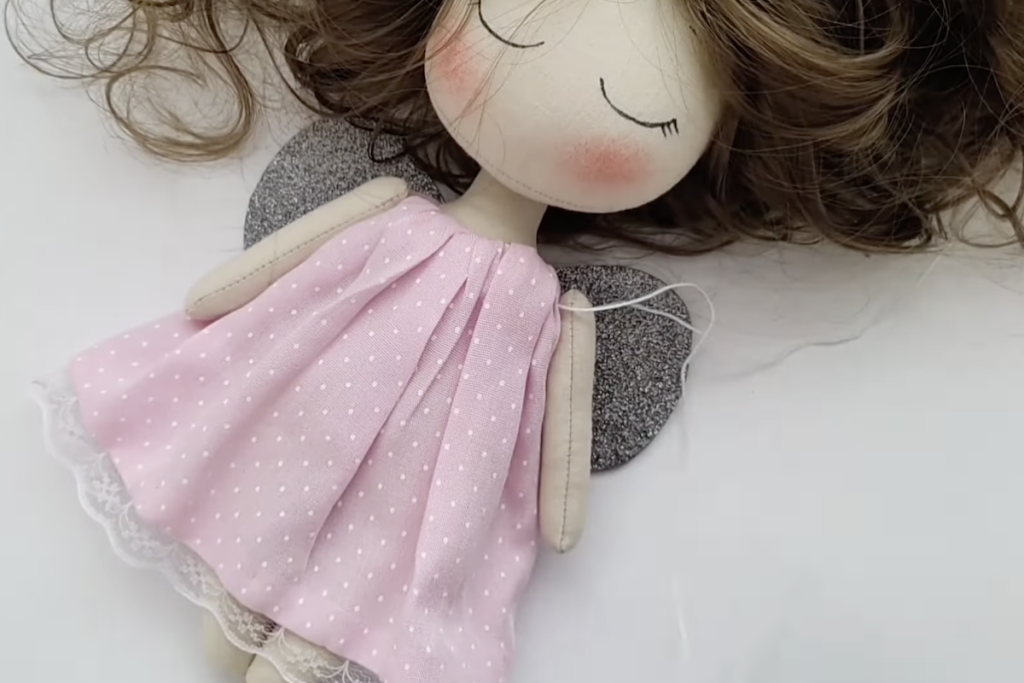
In the handmade doll workshop, children will learn about the materials/tools needed to make a doll, how to design a simple doll pattern of approximately 30 centimeters on paper, transfer it to fabric and cut it. Then they will learn to stuff the doll with polyester fiber, close the openings on the body with thread and needle, and subsequently design the facial features they want on paper. Afterwards, they will paint these features on the doll with special fabric markers, cut the doll’s hair and sew it onto the head. Finally, they will choose ribbons they want for the hair and receive a handmade little dress to clothe it.
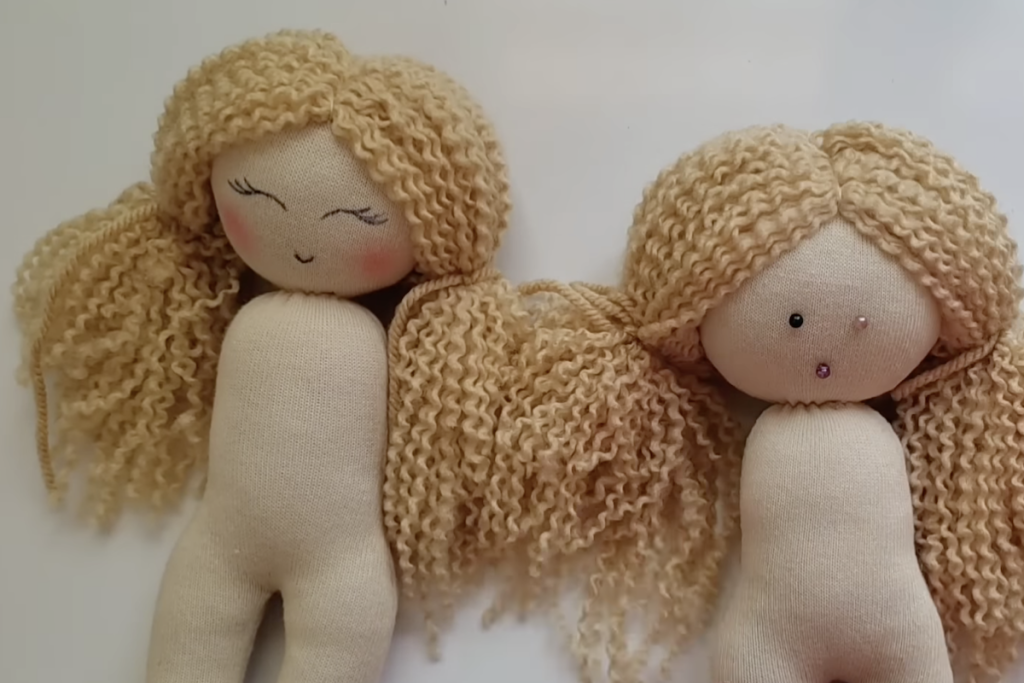
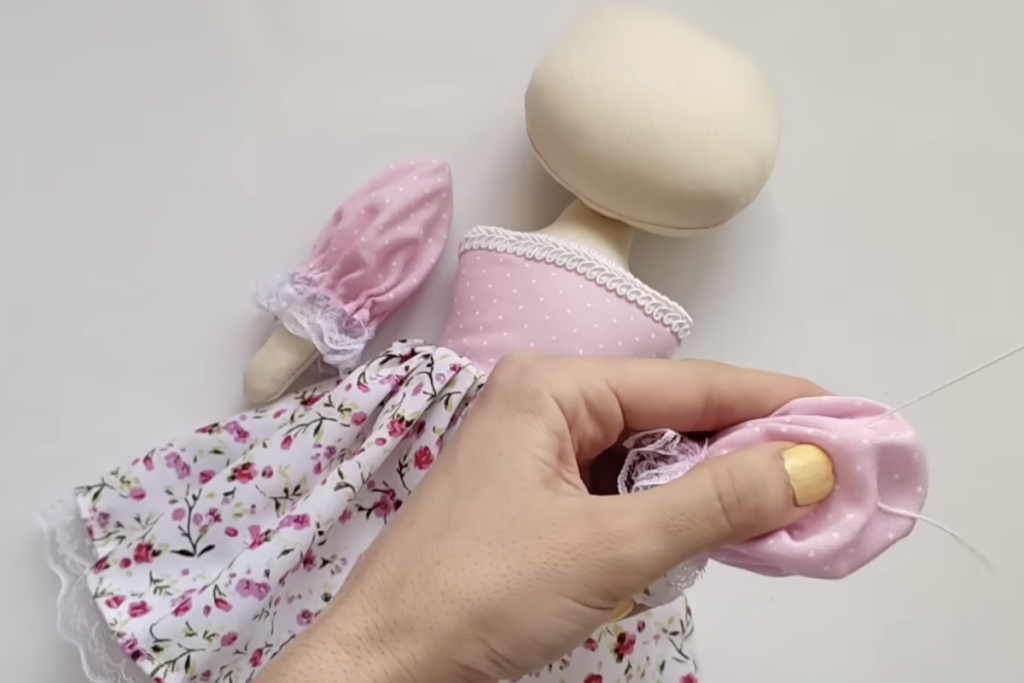
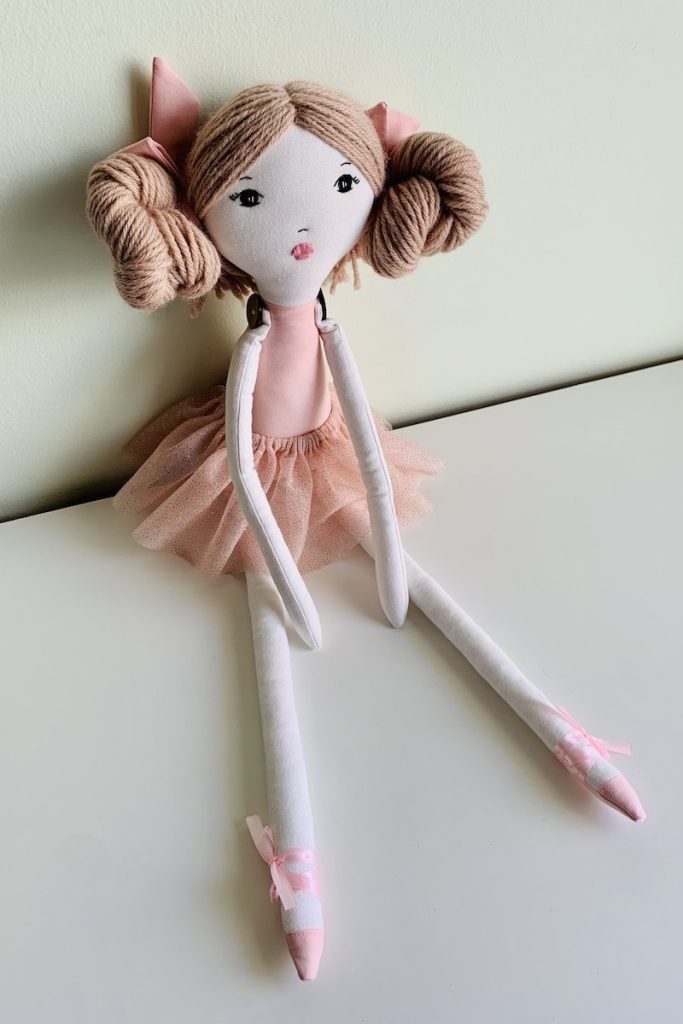
Note: The sewing with a sewing machine, for the body and dress pattern, is done by the workshop instructor. In the workshop, children are not trained in learning how to use a sewing machine.
Children will:
🍋 Learn construction and handicraft techniques
🍋 Develop imagination, creativity, and fine motor skills
🍋 Create their own unique dolls and toys which they keep as a special memento
Visual Arts with Nefeli
Fridays
17:30-19:00
Duration: February 13 – March 27
Ages: Elementary school children
Taught by Nefeli Kiriakou
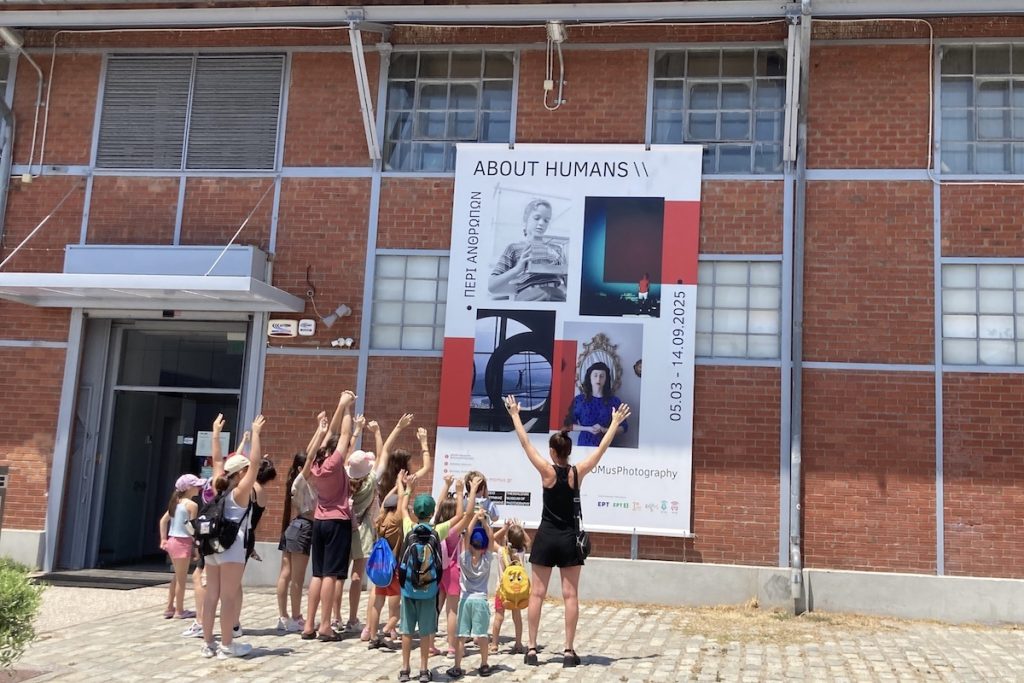
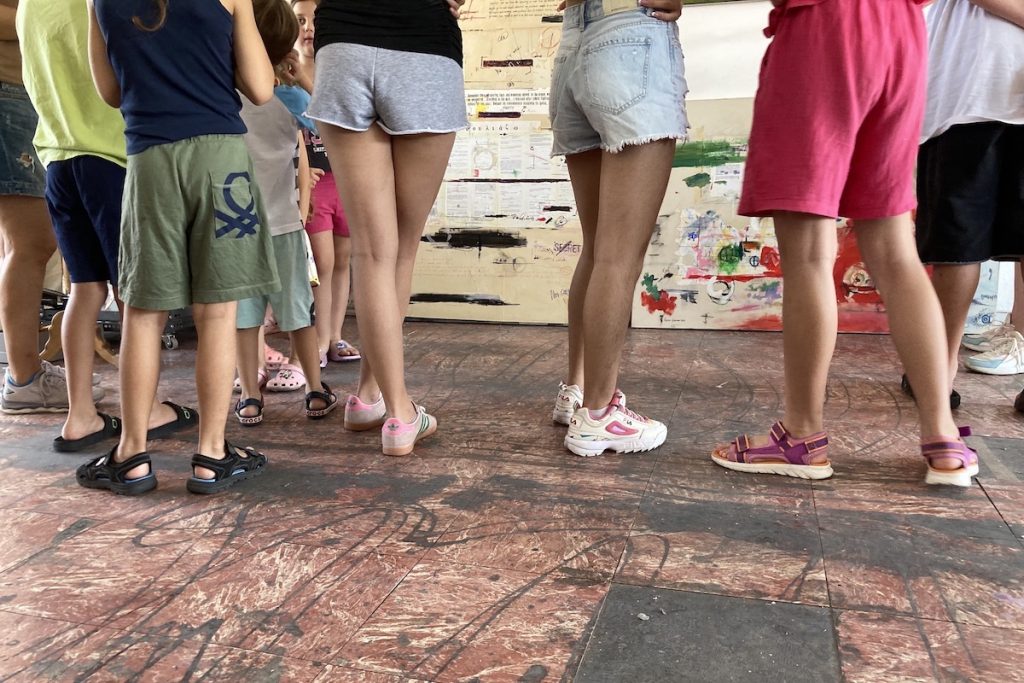
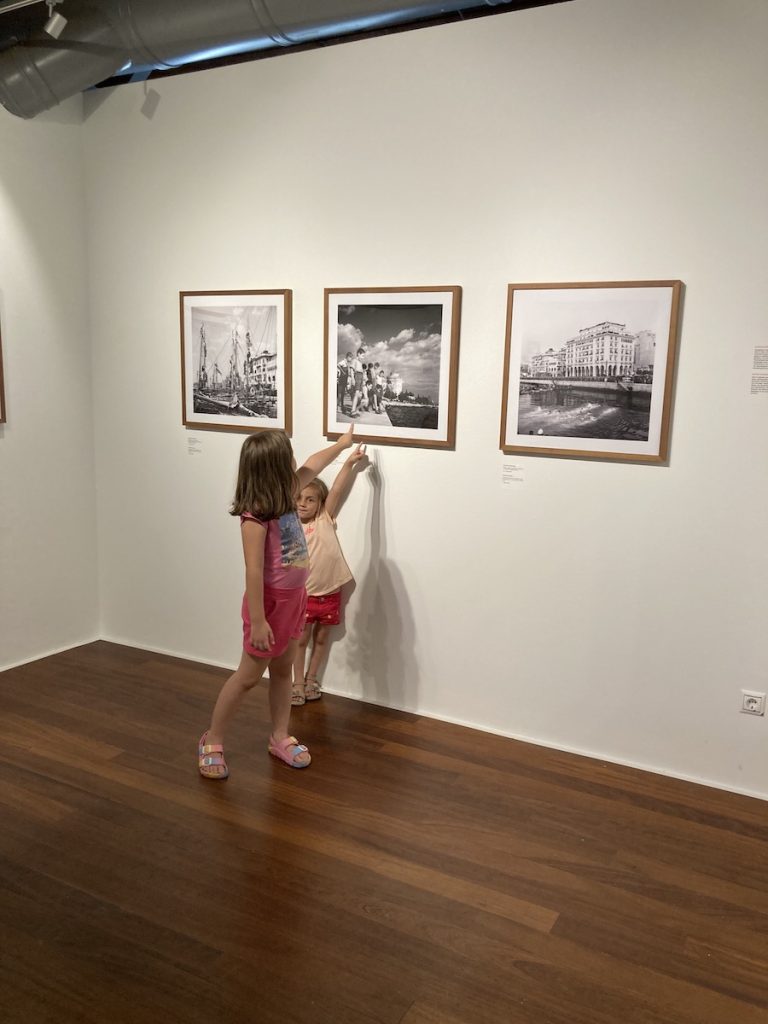
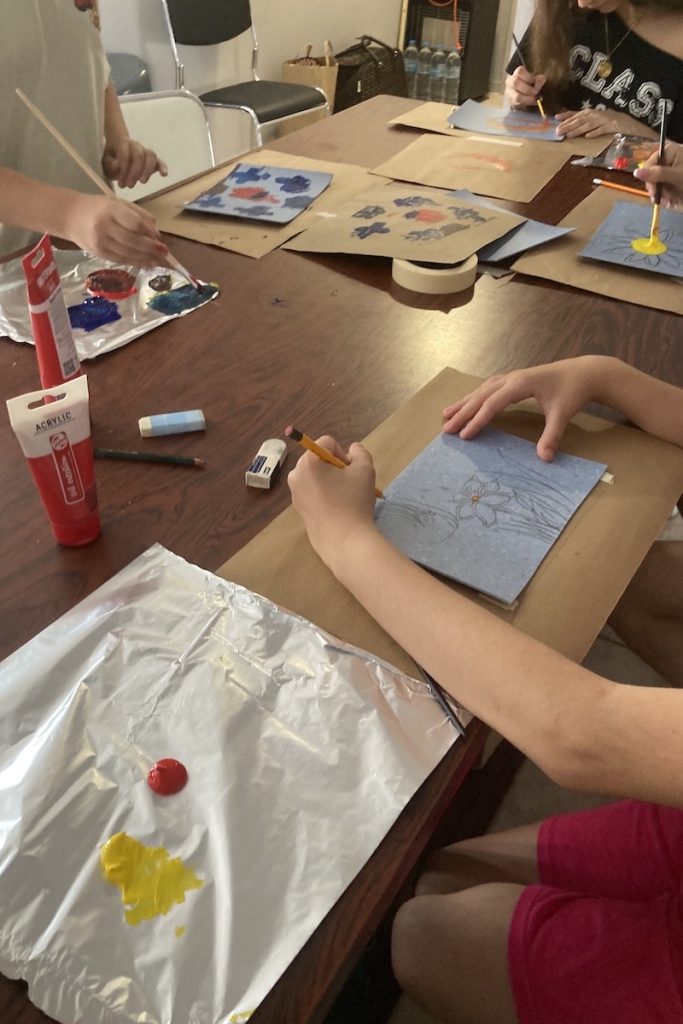
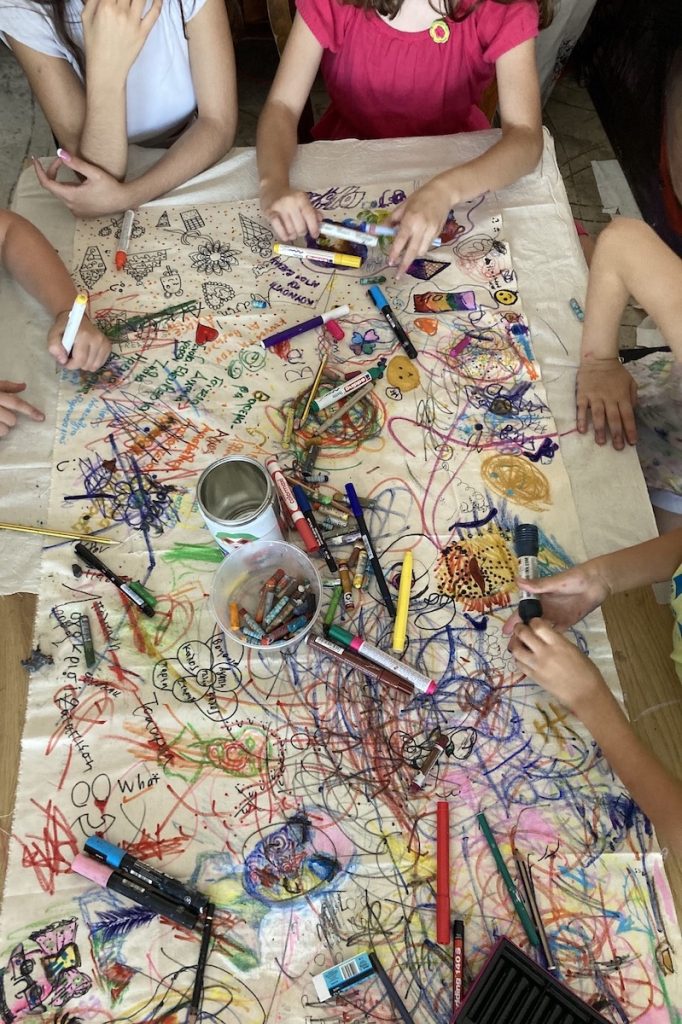
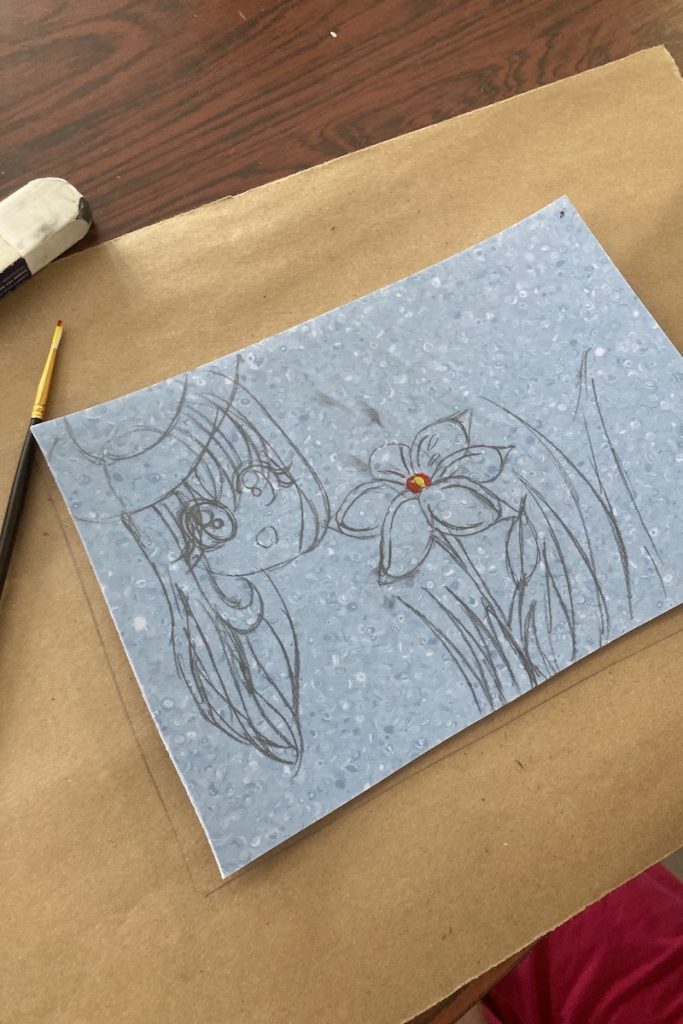
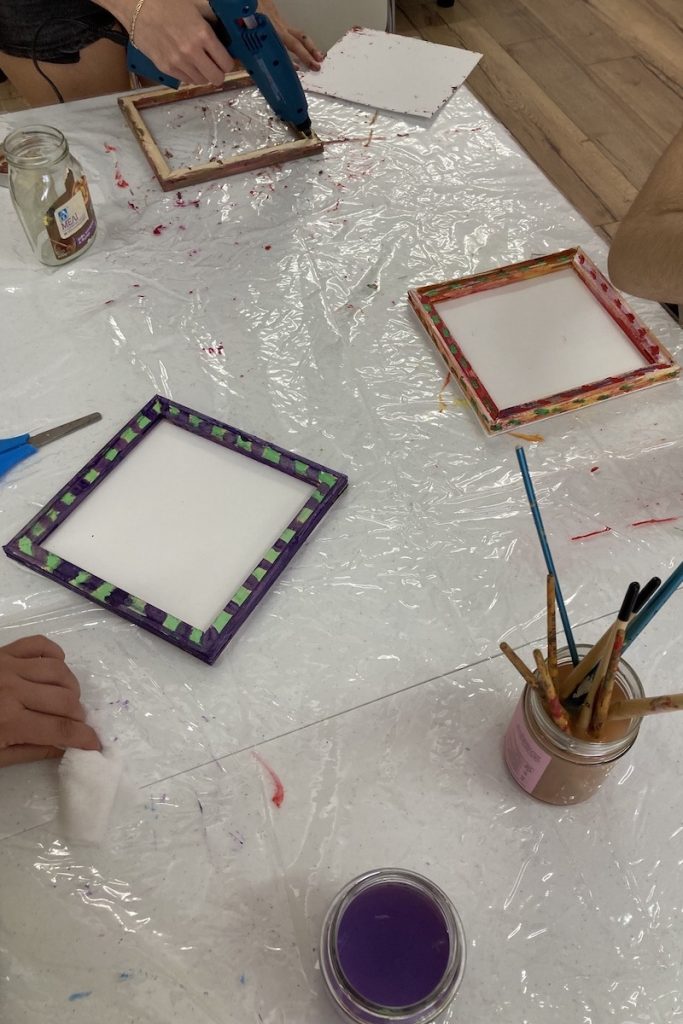
In our company with Nefeli, we will discover ourselves and the world around us. With the theme “We and the world,” we will search for what is not visible to us, discover it, and depict it through painting, collage, mosaic with colored legumes, and children’s printmaking. The time for each activity and the corresponding work with materials will be distributed according to the difficulty of each technique.
Slow Animation
Fridays
17:30-19:00
Duration: November 7 – December 12
Ages: Elementary school children
Taught by Rafailia Raspoptsi
Slow animation can have various themes. Some ideas include creating an animation with the theme of a) the planets of our solar system, b) my emotions.
Learning Objectives:
A) Cognitive objectives:
1. Children will learn the names of the planets in our solar system / or they will learn the names of emotions that exist.
2. Children will learn the characteristics of planets / or they will learn when and why emotions are created.
B) Psychomotor objectives:
1. Children will learn to make constructions, cutting objects, painting, drawing, etc.
2. Children will discover their voice and their ability to change it through recording.
3. Children will engage in creative writing, through which they will express themselves freely, to create the script.
C) Emotional objectives:
1. Children will learn to cooperate with each other and help one another where needed.
2. Children will learn to express their emotions in a creative way, through slow animation.
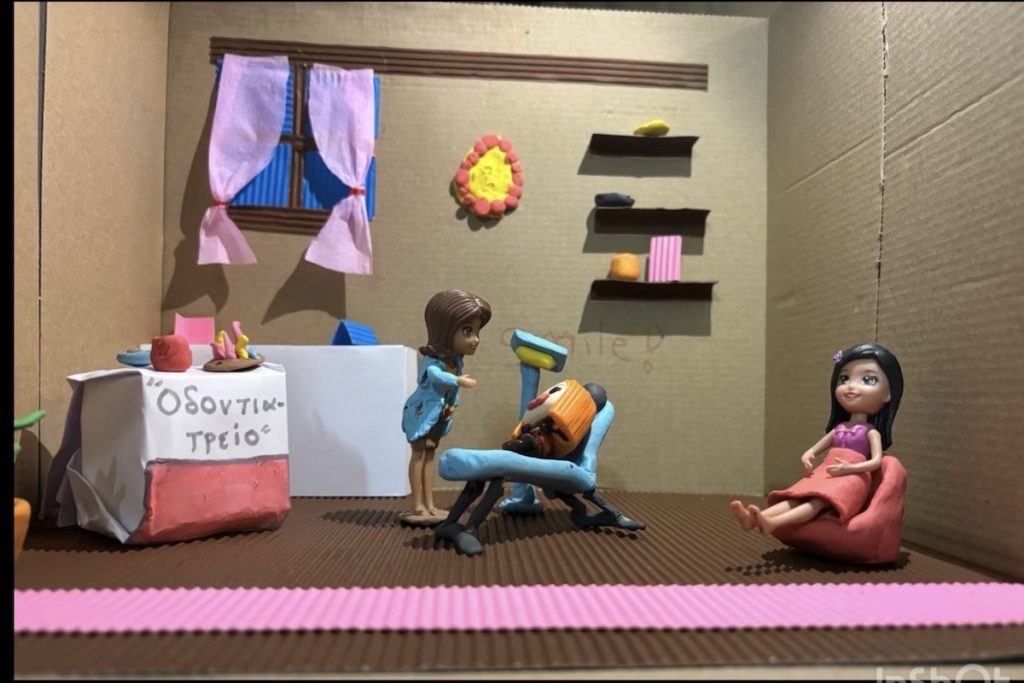
First meeting:
Initially, we will get to know the children and explain some things about what we are going to create. We can suggest two themes and let the children choose the one they like. After choosing the theme, a discussion will begin around the topic, so we can learn what exactly the children already know.
This can also be done on a board using the brainstorming technique. Then, depending on the theme, to enrich the children’s knowledge, we can watch a video. Finally, everything we learned will be written on papers so we have them ready for next time, so construction can begin.
Second meeting:
The writing of the slow animation script will begin. Here, each group will create dialogues, which will include information about the topic. After the dialogues are ready, we will distribute the parts to the children. Depending on the part they choose, they will also create the corresponding sets. The construction of the box will slowly begin, the background, and depending on the theme, they can also bring their own Playmobil, etc.
Third meeting:
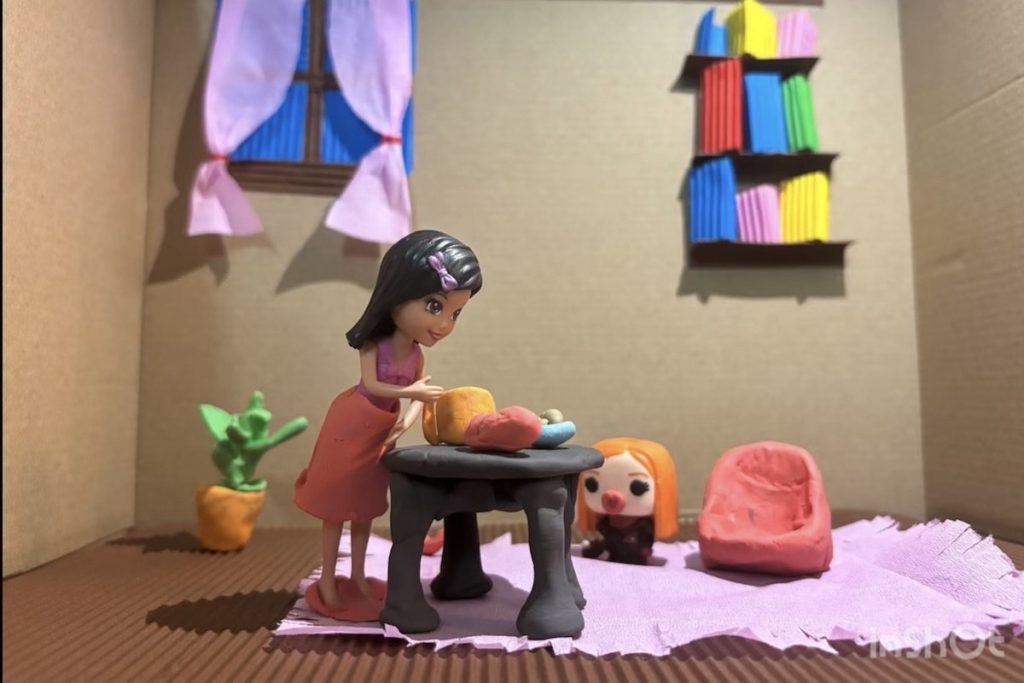
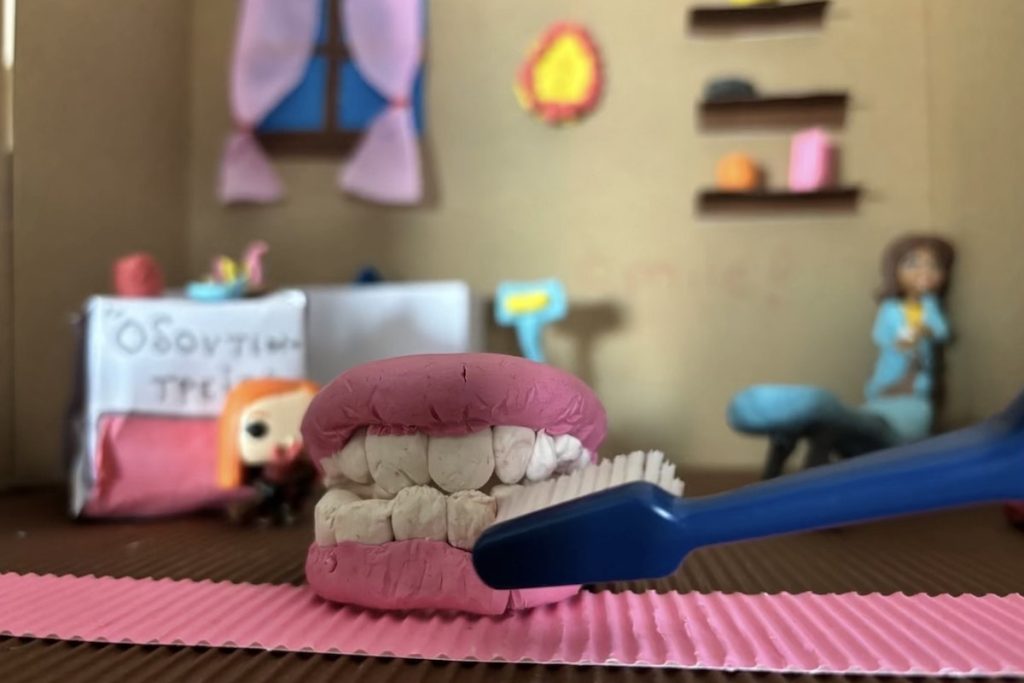
In the third meeting, the construction of all the sets begins. Children cut cardboard, paint, sculpt with plasticine – clay. The entire meeting will be dedicated to construction, as there are quite a few things that need to be made.
Fourth meeting:
In this meeting, after the sets are completed, their placement and photographing of scenes will begin. About 240 photos are needed for a 2-minute video (2 photos/sec).
Fifth meeting:
In this meeting, I will have already uploaded the photos to the Inshot application. The children will begin recording. They will say the excerpts they have written. We can also add their favorite music.
Sixth meeting:
This meeting is also the last of the program. If we have made two different constructions and two different videos have been created, each group will present what they created. We can also give small prizes to the children. Perhaps the parents will also watch the videos.

