Pindus Art Retreat
Where is the retreat
Residence
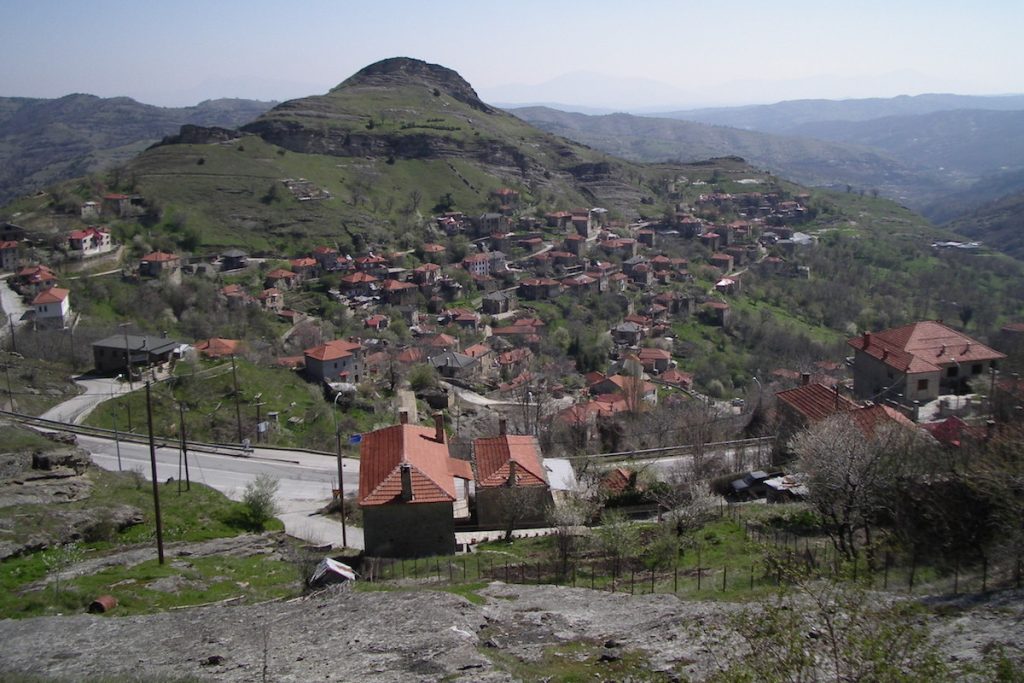
The Pindus Art Retreat: Eco-Somatics will be open to 12 people. The activities will take place in the traditional stone settlement of Pentalofos in Voios and in the wider area. They will take place during the morning and afternoon zones, leaving free time during the afternoon and evening. Some activities, as well as private sessions, will take place between 6:00-9:00 in the morning. Breakfast will be at 09:00 and dinner at 20:30.
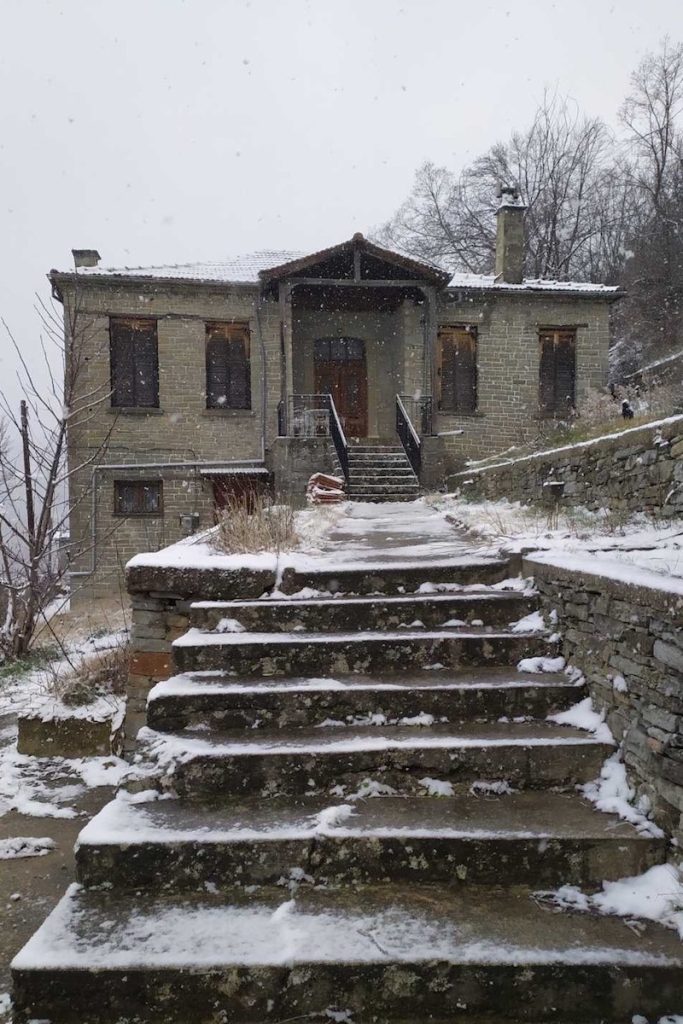
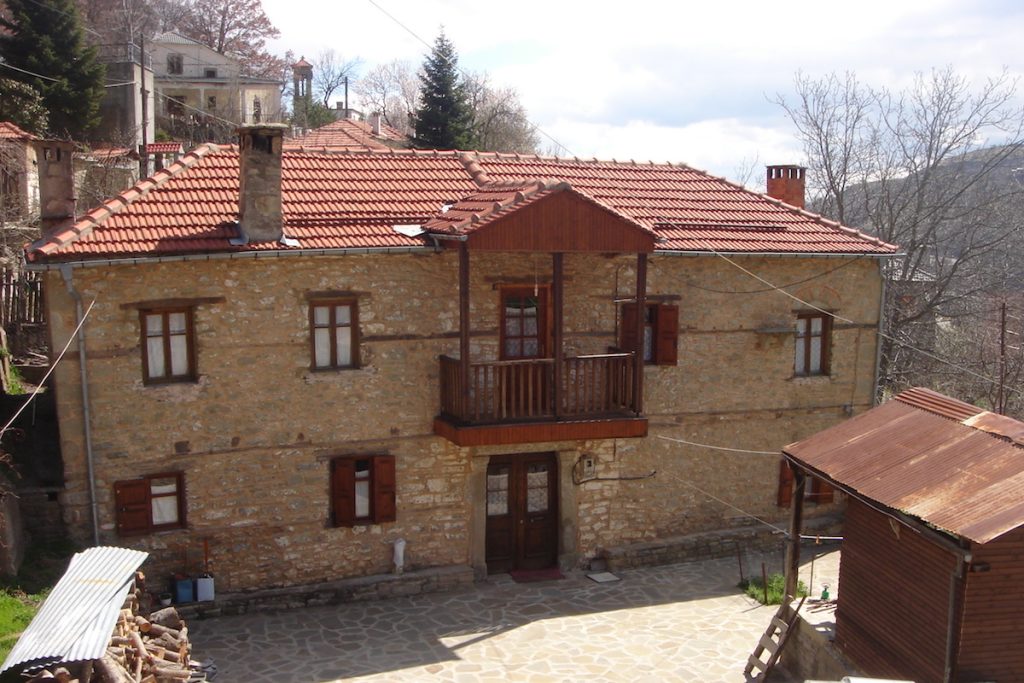
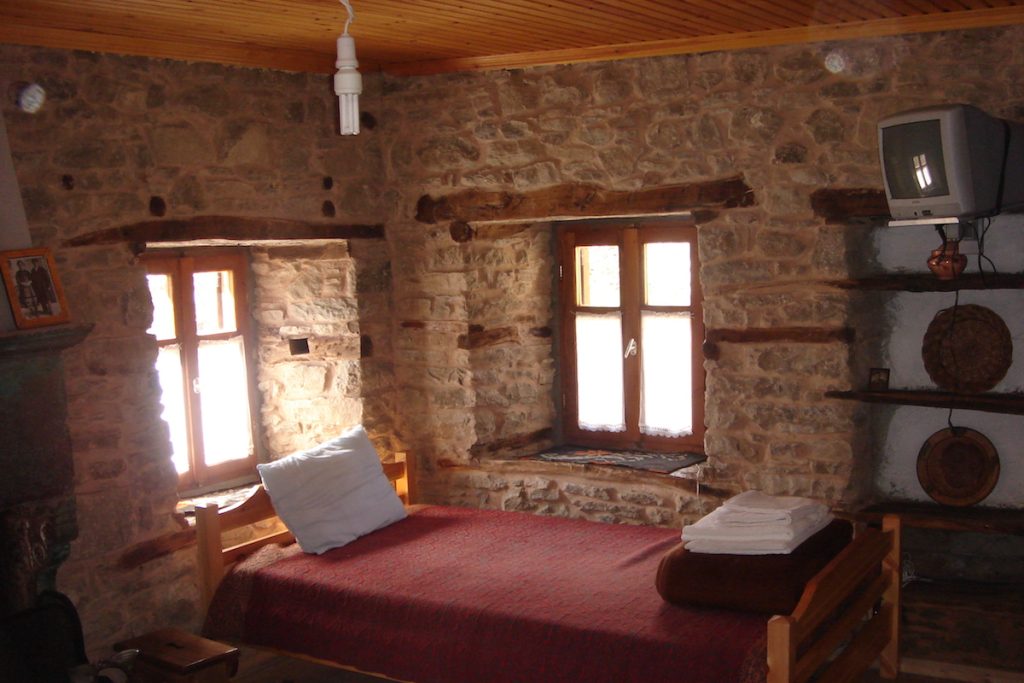
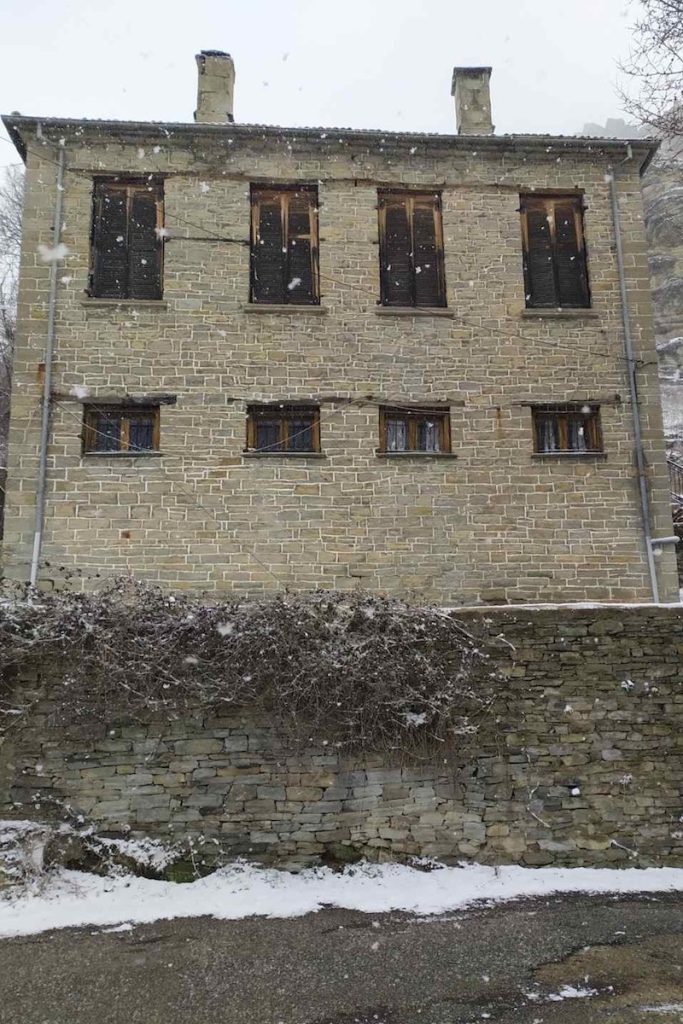
As there are no hotels in the area, we will be accommodated in two traditional stone-built houses. Participants will have the option of either sharing a room with another participant, or choosing a room for purely personal use. In the second case there will be an additional charge from the initial total cost. The rooms do not have a private bathroom, the toilets and showers are shared. Furthermore, they do not have Wi-Fi.
Breakfast and dinner will be served in the traditional taverns of the village. Lunch snacks, barbecue – live cooking and cooking will take place during or after the morning activity.
Region
Pentalofos Voio belongs to the Region of Western Macedonia, the only one in Greece that is not bordered by the sea. It is located on the borders of Macedonia and Epirus and is one of the first villages to be characterized as traditional stone settlements.
Its older names were Zoupani or Zoupani and Petrovouno. It is located at an altitude of 1060m and is the most important village of the Mastorohoria of Western Macedonia and Epirus. Its inhabitants were famous stonemasons who had also developed their own language, Koudaritika. The women of the village contributed greatly during World War II with their service to the Greek Army and are known as the heroic Women of Pindos.
The village is located at a key point as it is located at the crossing of Macedonia with Epirus. Thanks to its strategic location and the determination of its inhabitants, it has shown intense historical activity. Findings testify that there was life already from the Hellenistic period, however, the increase in population is observed from the 7th century AD onwards. It was a fortress in ancient times, for border control, but also in more recent wars it was a headquarters and base.
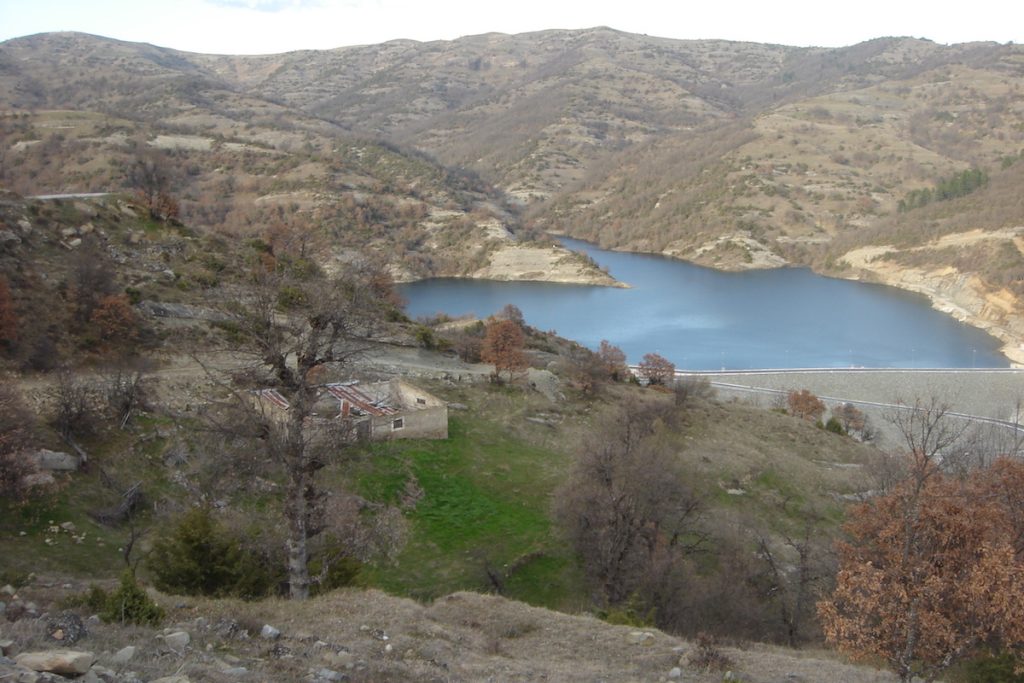
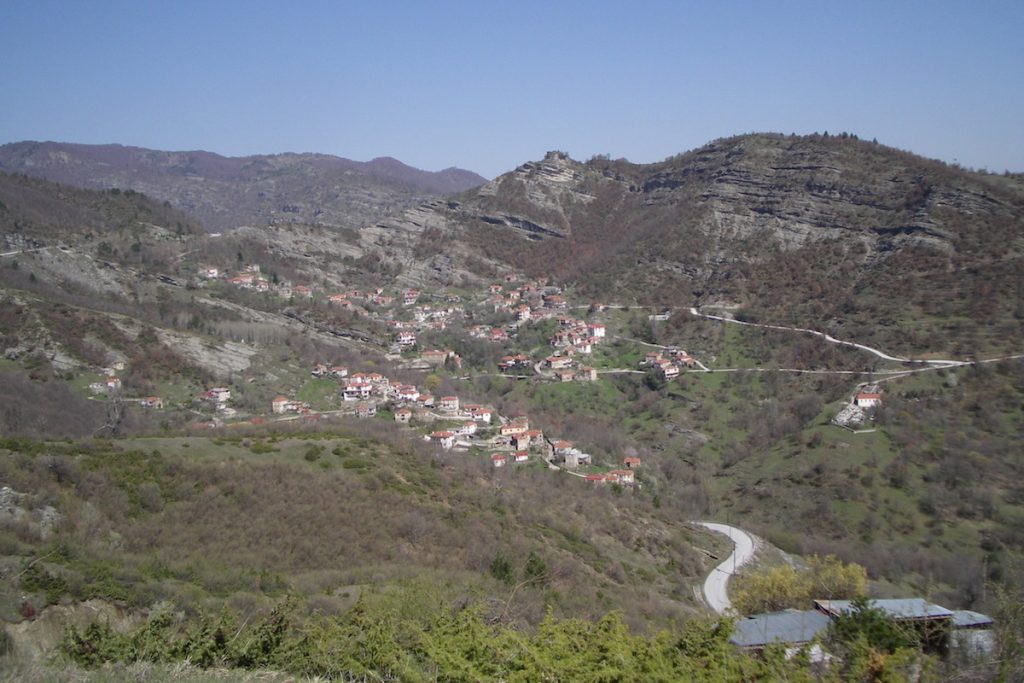
The ruins of the castle are still visible on the hills of the area.
It was the main village of the region, which during the Ottoman Empire was one of the most profitable villages due to its crops and trade. Chestnuts, apples, flax, hemp, sorghum, straw, walnuts, oats, barley, millet and more. With the development of urban centers and immigration, cultivation was limited and the profession of stonemasons and craftsmen almost monopolized. The oldest building in the village is the church of Agios Achillios, built in 1742 AD, known for its interior carved wooden iconostasis and hagiographies.
The area still remains pure from tourism and over-information and over-consumption. It is located in the mountainous region of Western Macedonia on the border of Grevena, Kastoria, Kozani and Ioannina. As it is located on the bulk of Northern Pindos and next to the Pindos National Park, the roads become narrower with several bends and several ups and downs. The nearest pharmacy and Health Center is 30 km away, about 40 minutes in Tsotyli Voi. In the village you will find taverns, cafes, a mini market and a kiosk.
The road connecting the area is National Road 20 (EO20), which connects Ioannina with Kozani, also known as the Pentalofos Pass.